Varicose eczema
Varicose eczema, also known as ‘gravitational eczema’ or ‘stasis eczema', is a common skin condition that affects the lower legs of adults.
Overview
Varicose eczema is quite common, affecting approximately 70% of people over the age of 70. Varicose eczema is more common in women than in men since female hormones and pregnancy increase the risk of developing the condition. Varicose eczema can occur in younger people, too, if they have a genetic predisposition to varicose veins.
You're more likely to develop varicose eczema if you have varicose veins, high blood pressure, deep vein thrombosis, phlebitis, or cellulitis.
Symptoms
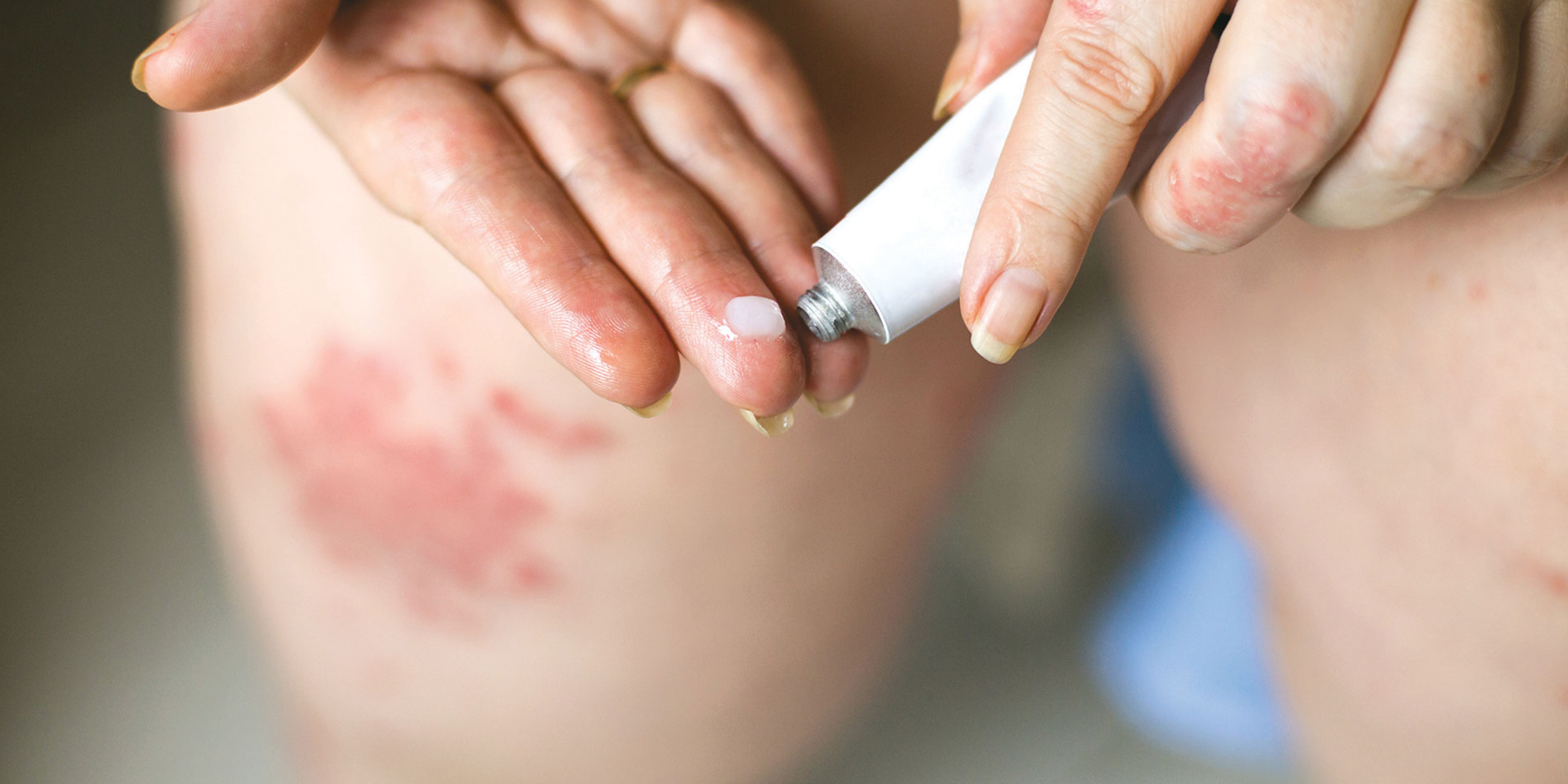
Varicose eczema manifests as itchy, dry, flaky areas of skin
The skin may also change colour and become weepy and crusty
When the eczema settles, the skin may crack if it becomes over-dry, or break down if scratched or picked
The skin on the lower leg generally becomes fragile – a knock to that area can also break the skin and cause further irritation, with the risk of a leg ulcer developing
If varicose eczema is left untreated, the skin can break down to form ulcers
Triggers
Soap and bubble bath - These dry out the skin and can irritate the eczema. Use your emollient as a soap substitute – that is, apply it to wet skin in place of soap. Hot water will dehydrate the skin and cause itching, so bathe or shower in cool to warm water.
Liniments or alcohol rubs - Don’t use liniments or alcohol rubs on your legs as these irritate the skin and dry it out further.
Creams - People with varicose eczema sometimes develop an allergy to certain ingredients in creams, so find out what suits you. Ingredients likely to irritate the skin include perfumes, preservatives and occasionally lanolin, so avoid any product containing them. If you react to a lot of creams, your GP may suggest a visit to a dermatologist for patch testing to find out what you are sensitive to.
Other risk factors include being overweight, immobile, standing for long periods, hot weather, or skin trauma like injuries or insect bites.
Treatments
The following treatments are recommended to treat varicose eczema.
Emollients - These creams are used to help keep the skin soft and supple. They should be applied to your legs at least twice a day, or more often if your skin is very dry
Topical steroids - Moderate to potent topical steroids are available from your doctor if the eczema is very itchy but only apply them to areas of active eczema.
Paste bandages - Bandages covered in zinc oxide (zinc paste bandages BP or Zipzoc), with an outer bandage applied to prevent mess, can be very soothing when applied to the eczema.
Socks or compression hosiery and trousers - These can be used to improve blood circulation in the lower legs by applying pressure, reducing pain and swelling. Find out more about how to apply these in the FAQ's below.
FAQ’s
Varicose eczema is caused by increased blood pressure in the leg veins.
When the valves are less efficient from ageing or damage, blood flows in two directions and pools, causing increased pressure and sometimes bulging in the veins (varicose veins). Since the veins in the lower legs are furthest from the heart, this area of the body is particularly vulnerable to poor circulation.
Over time the pressure can result in swelling of the leg, especially the ankles, and fluid may leak into surrounding tissue producing mottled discolouration and inflammation which causes varicose eczema.
Skin affected by varicose eczema is thin and unhealthy and can easily break down – as soon as this happens, the area should be treated to help the skin heal quickly. If left untreated, the small hole can deepen and widen, and the resulting wound is called a ‘varicose ulcer’ (also known as a ‘venous ulcer’ or ‘stasis ulcer’).
These ulcers are typically found just above the inside of the ankle. They often ooze and can attract bacteria, both of which can aggravate the surrounding skin, making the eczema even worse. Sometimes events can occur the other way round – varicose eczema can develop for the first time around an existing ulcer or wound on the lower leg, but treatment remains the same.
If you have varicose veins, or have had phlebitis or a deep vein thrombosis, you will need to give extra care and attention to your legs for the rest of your life, since varicose eczema can occur years later. Try to lose weight, if necessary, by talking to your practice nurse or joining a local weight-loss group.
Varicose veins can be treated, so consult your doctor if you think you have them. Veins near the surface of the leg are not essential and surgical removal by stripping the veins or, more commonly, removal by laser under local anaesthetic (endothermal ablation) will eradicate them. Sometimes a special injection (sclerotherapy) into the veins can help. The longer prominent varicose veins are left; the less successful surgical treatment is – so don’t ignore the problem - discuss it with your GP.
If you have had phlebitis or thrombosis, or your varicose veins cannot be treated, your leg veins should be always supported. For mild cases, elastic support stockings or tights, available from most pharmacies, are adequate. For more severe varicose veins, compression hosiery is made to measure and can be prescribed by your doctor or nurse.
If you have a venous ulcer, you will need compression bandages, which will be applied by a nurse when your leg ulcer is dressed.
If you need to wear compression hosiery, this will usually be prescribed by a nurse and should be properly fitted. You should be measured when you are seated with your lower leg bent at 90 degrees.
If compression hosiery is required, it’s important to know how to put them on correctly. Make sure clothing doesn’t cut into the flesh, and tops of stockings and socks should be loose-fitting. Don’t be afraid to ask your nurse how to put them on. There are also devices that can help you.
Always put your stockings on before getting out of bed, when swelling is minimal. If you don’t like how they look, you can wear ordinary stockings or tights over them.
Try not to stand still for long periods of time. If you must, then flex your feet frequently by tapping your feet, rising onto your toes, or bending at the knee to keep blood circulating.
It’s better to sit or walk than to stand still, and it’s even better to sit with your feet up. Whenever you get a chance to sit down, rest your feet up on a stool that is at least the same height as the chair or higher if possible, so they are level with your chest. This will help to relieve aching legs and reduce ankle swelling.
Exercise is important. Brisk walking every couple of hours (even if you are inside the house) or walking upstairs helps keep blood flowing.
If the skin becomes hot and inflamed, begins to ooze or look different, or if you feel feverish and sweaty, see your doctor, since this could be the start of a skin infection.
Antibiotic tablets may be prescribed by your GP – it’s important to always complete the whole course, even if your skin soon looks better.
If the skin is oozing and crusty, a wet soak may be advised – usually potassium permanganate dissolved in water (prescribed as Permitabs). A tablet is put in a bucket of water and should dilute to a pale pink ‘rosé wine’ colour. Soak the leg in this solution, or soak a flannel in it, and leave on the area for 15 minutes. This treatment does stain your skin (and the bath etc.), so use it carefully!
This type of eczema can be an ongoing problem. The condition can become worse and then settle down, but if you have a good skin care routine, and are taking steps to support the blood circulation in the legs, together, these actions will help prevent flare-ups.
Don’t be too worried if varicose eczema appears – extra care and attention to the area can often clear the problem and prevent the skin breaking down. However, you may be left with some discolouration of the skin as part of the post-inflammatory process.
Preventative measures are very important and should be continued long-term – you will find that once you get into a routine, they will soon become a way of life!