Paste bandages and wet wraps
.png)
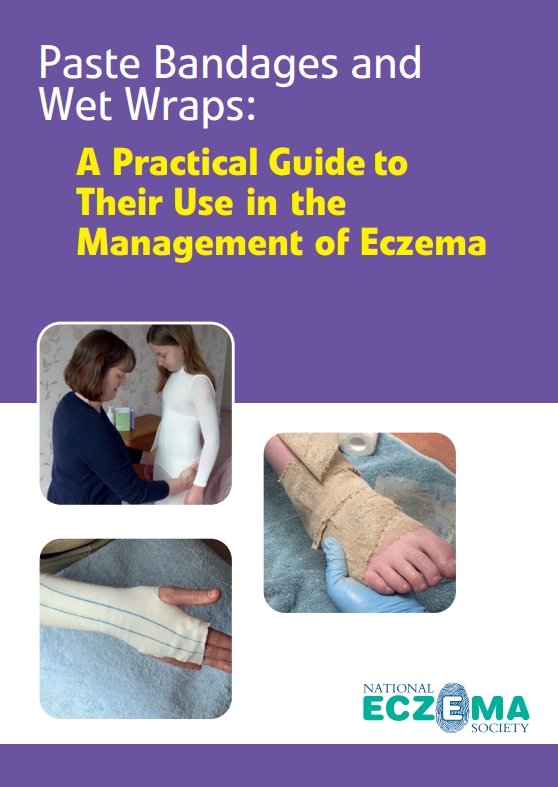
Paste bandages and wet wrapping techniques using medical-grade viscose garments or viscose tubular bandages in conjunction with other topical eczema treatments, especially emollients (medical moisturisers), can help to break the itch–scratch cycle, protect the skin from damage, and control flare-ups in moderate to severe eczema. Bandaging and wrapping should only be used under the supervision of your healthcare professional.
How does wet wrapping work?
In wet wrapping, warm, wet tubular bandages are applied to the body over a generous layer of emollient and sometimes a mild or moderately potent topical steroid (topical steroid under wrapping should only be used under the supervision of your healthcare professional). A dry layer of bandage is then placed over the wet layer. Wet wraps are particularly helpful at night (when overheating can be a problem) as they also cool the skin.
How do paste bandages work?
Paste bandages for eczema come impregnated with ingredients that soothe the itch and calm irritation. There are several types of paste bandages available, such as icthopaste (includes ichthammol to soothe the itch and zinc oxide for added moisture), viscopaste (includes zinc oxide) and Zipzoc (also includes zinc oxide), which is more like a stocking than a bandage. Paste bandages can be used for whole limbs or patches of eczema to which a normal amount of emollient and prescribed topical steroid is applied (topical steroid under paste bandages should only be used under the supervision of your healthcare professional). Since paste bandages are messy, secondary bandages are necessary – these also help to hold the paste bandages more securely in place.
CAUTION: Covering up the skin makes topical treatments more potent, so you should only use topical steroids under bandages and wraps as advised by your healthcare professional. Do not use paste bandages or wet wraps if your skin is infected.
Read the FAQ’s below for more information on paste bandages and wet wraps.
Who is it for?
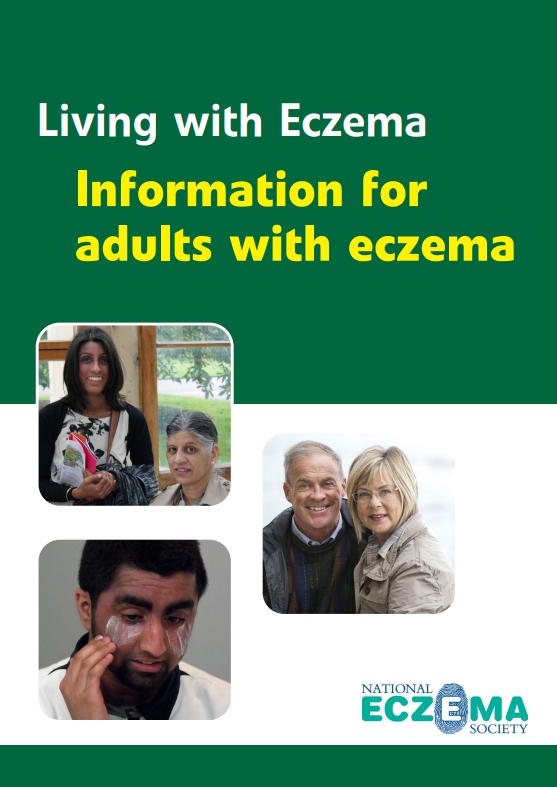
Bandages and wet wraps can be used for adults and children. With children, bandages and wet wraps can be used to cover the whole body whereas adults tend to use them only over patches of eczema.