Eczema in later life
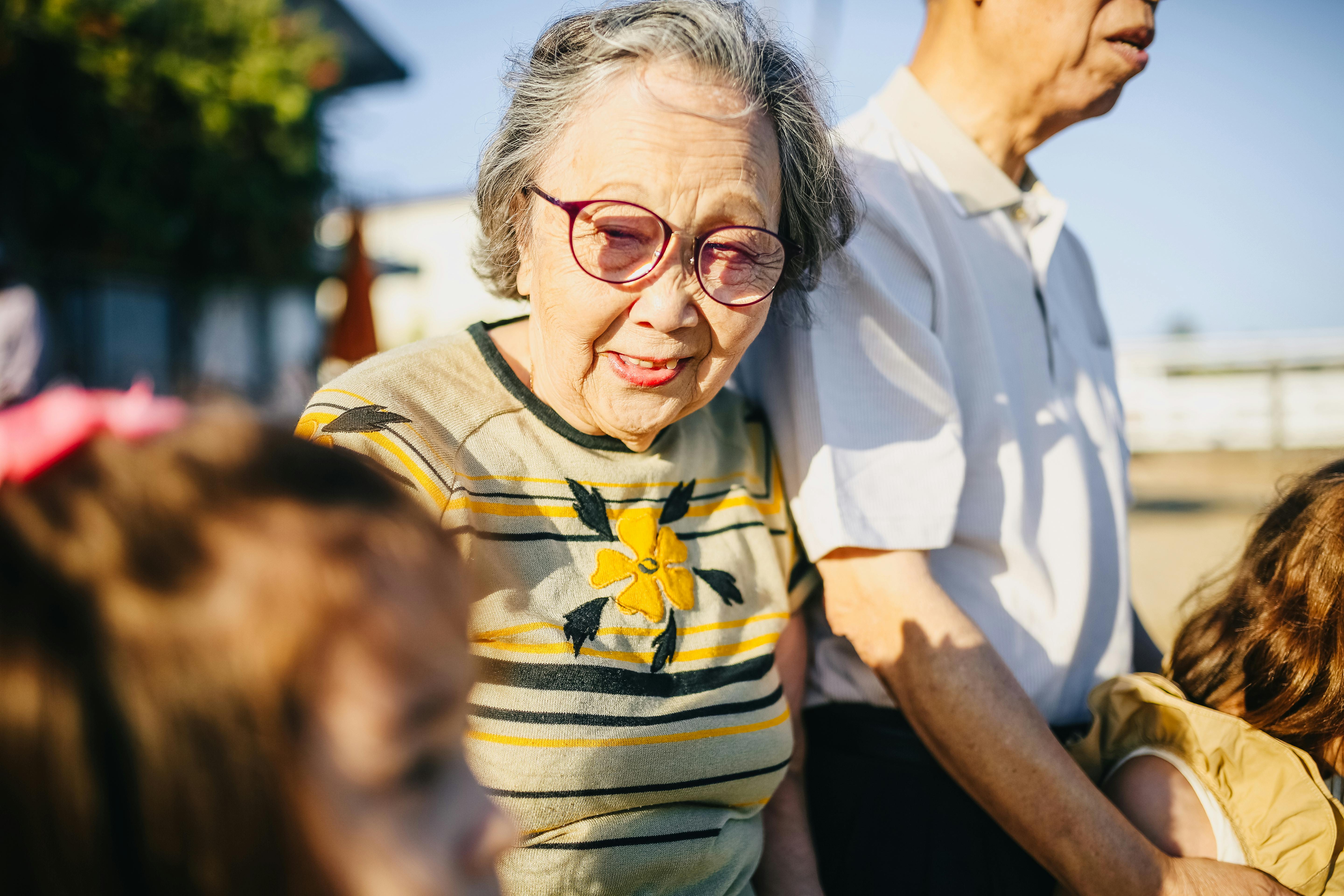
Eczema is often thought of as a childhood condition, but that’s not accurate. It usually appears for the first time in childhood, but can affect people at any age.
What causes eczema
Around half of people with eczema are known to have a difference in a skin protein called filaggrin, which leads to changes in the skin that give rise to a reduced barrier function. This is strongly linked to the development of atopic eczema. Eczema may improve after childhood, but it can return later on at any stage of life.
Eczema can also suddenly appear for the first time in later life, for reasons that can be difficult to determine. Skin becomes drier as we get older, which can lead to roughness, scaling and itchiness. In women at menopause, as oestrogen levels decline, changes in the skin are observed that make the skin more prone to eczema. Sometimes the emergence of atopic eczema in later life can be attributed to a particularly stressful event or period such as following a bereavement or being made redundant.
Common types of eczema in later life
You are most likely to develop this type of eczema if you have reduced mobility, high blood pressure or varicose veins, or have had deep vein thrombosis, phlebitis or cellulitis in the past.
Asteatotic eczema is another type of eczema that’s more common in older people. It usually affects the shins but sometimes affects other areas such as the thighs, arms, tummy and back.
Treatments
Emollients are the main first-line treatment for eczema and are necessary to keep the skin moisturised.
Topical steroids are the first-line treatment for inflammation in eczema.
Dealing with severe eczema, stress and isolation
If your eczema is widespread and severe, you will need to be under the care of a consultant dermatologist, who will be able to assess your suitability for stronger treatments such as phototherapy or systemic immunosuppressants.
If your eczema could be attributed to stress, you might benefit from seeking out additional sources of emotional support. Your GP will be able to signpost you to local counselling services. You might also like to approach your local Mind, as many branches offer free or low-cost counselling sessions.
The Silver Line is another source of support. The Silver Line is a free confidential service providing information, friendship and support to older people, open 24 hours a day, every day of the year. The Silver Line’s phone number is 0800 4708090.
If you’re feeling lonely, you might also consider joining a local club or interest group.
Tips for healthy eating
As we get older, we often have smaller appetites, so tend to eat less. It’s important to maintain a balanced diet, which will help to support tissue healing, particularly when the skin is broken.
Fats, protein and zinc found in dairy foods all help healing.
Vitamin C in fruit and vegetables helps combat infection.
It’s important to drink plenty of fluids, as dehydration can reduce the flow of oxygen and nutrients essential for healing. Furthermore, a balanced intake of vitamins will help to boost the immune system.