Eczema around the eyes
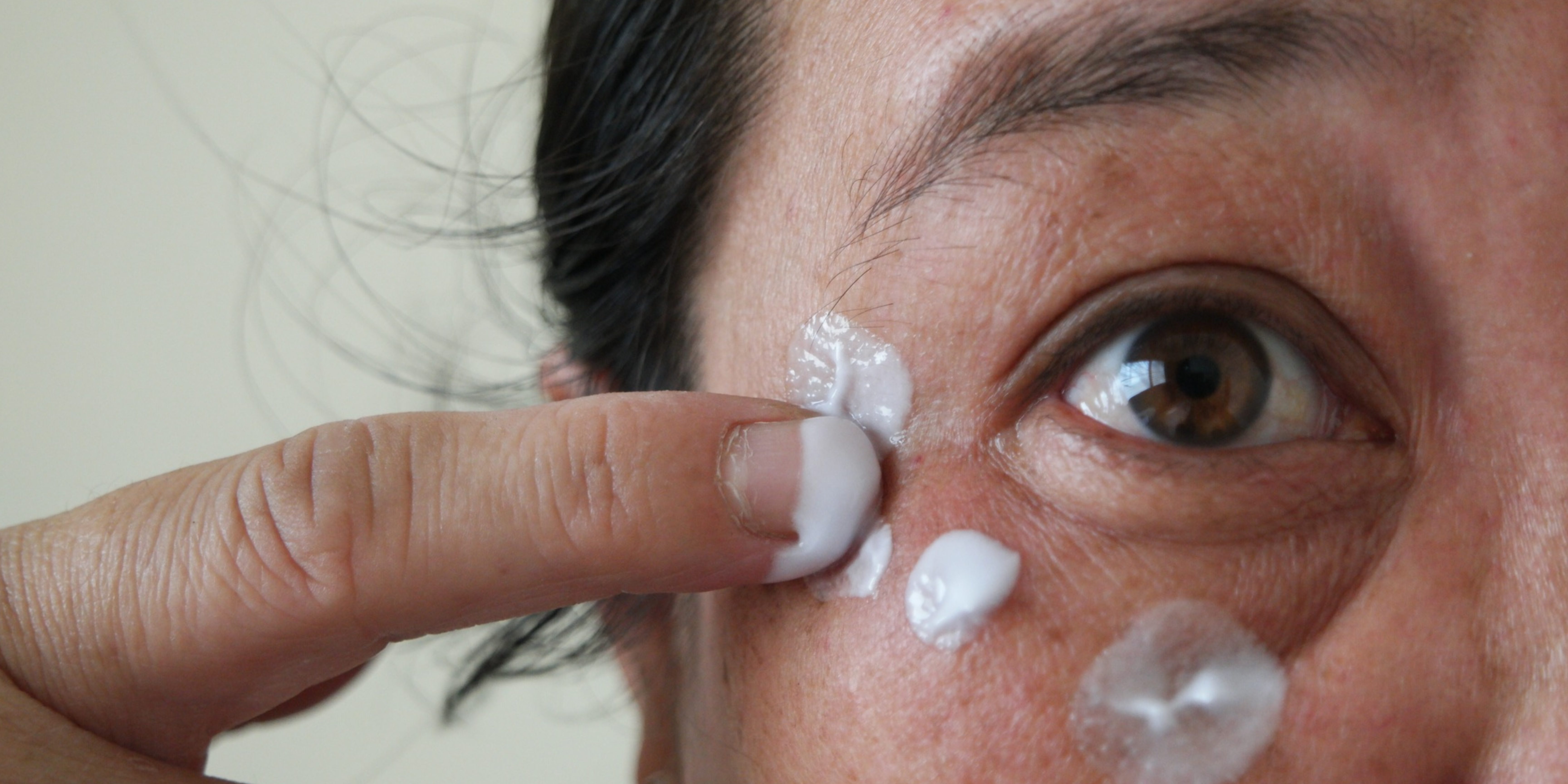
Eczema can affect any area of skin, including the eyelids and around the eyes. These may be caused by an external irritant or allergen, and occur more commonly in people who have atopic eczema elsewhere on the body and related conditions (asthma and hay fever).
Types of eczema that affect the eyes
If you aren’t sure what types of eczema you have, here are all of the types of eczema that commonly affect the eyes.
Contact dermatitis - Eyelid skin, being so thin, is particularly sensitive to irritants and allergens and therefore prone to developing both irritant and allergic contact dermatitis. Contact dermatitis can occur when manufacturers change the formulation of a product and you are sensitive to the new ingredient(s). It’s also possible that a reaction is a result of something you touch and then transfer to the delicate eyelid skin.
Seborrhoeic Dermatitis - Seborrhoeic dermatitis tends to affect just the eyelid margins and is seen more frequently in adults.
Treatments
If your eyelid eczema doesn’t settle with first-line eczema flare treatments, you should ask for a referral to a dermatologist to discuss possible allergic contact dermatitis, especially if the eczema is confined to your eyelids.
Emollients - Wash with a leave-on emollient and apply this frequently as a moisturiser. You can also use your emollient on a damp cotton pad to remove eye make-up, including mascara. Avoid washing your face with soap or using perfumed face creams. Do not use olive oil or aqueous cream on your eyelids as these are known to damage the skin barrier.
Topical steroids - Generally, only mild topical steroids (0.5-1% hydrocortisone) are recommended, due to the thinness of the eyelid skin. Occasionally, a moderate potency steroid may be prescribed for severe flare-ups for short periods of time, as overuse can lead to glaucoma or cataracts.
Topical calcineurin inhibitors (TCIs) - pimecrolimus (Elidel) and tacrolimus (Protopic) can be prescribed for eyelid eczema. They aren’t steroids, so there’s no risk that they will thin the skin. They may cause photosensitivity, so sun protection like sunglasses and a hat is important. Protopic is best applied in the evening, with a 2-hour gap before other creams. A brief burning or stinging sensation is common at first and usually fades within a week.
Triggers
Nail varnish - One common cause of contact dermatitis of the eyelids is allergy to nail varnish or varnish remover. The eyelid skin becomes sensitised when you touch or rub the eyes with painted nails. The condition usually clears rapidly when you stop using nail varnish.
Hair dye - Hair dye may also cause eyelid problems, as can airborne agents such as perfume sprays.
Eye drops - Some medications like atropine and neomycin drops can cause contact dermatitis, as many preservatives used in medications or contact lens solution. Wearing gloves and washing your hands thoroughly will prevent a reaction if you are handling substances to which you are sensitive.
Makeup and skincare products - If you think facial skin care products or make-up are having a negative effect on your skin, it is a good idea to go ‘bare-faced’ for a few days and see if that helps. If there’s an improvement, start to reintroduce products one by one to establish whether any of them are causing the problem.