
Nail allergy and eczema
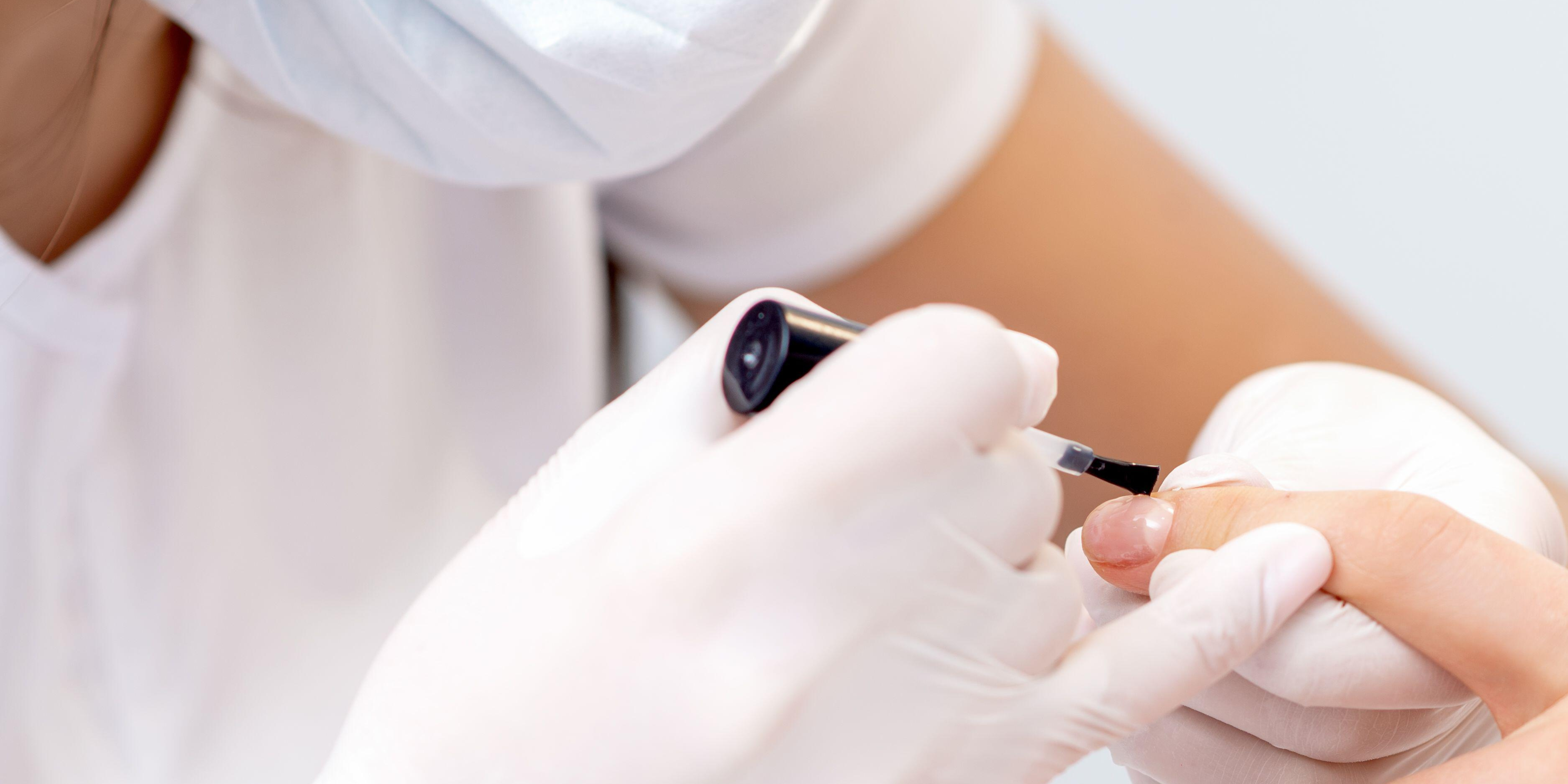
Find out why artificial nails are the most common cause of allergic contact dermatitis (ACD) and how to avoid this trigger.
Acrylates is the key ingredients in acrylic nails, gel nails and gel polish nails. This chemical has long been recognised as a common cause of allergic contact dermatitis (ACD).
Allergic contact dermatitis is a form of eczema caused by an allergic reaction to a substance, known as an allergen.
Allergic reactions to acrylic nails usually happen in two steps:
First exposure - Your body becomes sensitised to the allergen, but you don’t notice any reaction yet.
Second exposure - Your immune system reacts, causing redness, itching, or irritation.
Symptoms
Symptoms that you are experiencing an allergic reaction to acrylic nails include:
Nail dystrophy - distortion and discolouration of normal nail-plate structure
Onycholysis - loosening or separation of a fingernail or toenail from its nail bed. This usually starts at the tip of the nail and progresses back
Hyperkeratosis – thickening of the nail
Damaged fingertips - fissuring and splitting of the fingertips and inflammation of the nail fold.
Resistance to treatments - If your eczema is resistant to your usual treatment and you are in contact with acrylates, consider the possibility of ACD. Contact your GP who can organise a referral for patch testing.
Symptoms may be found not only around the nail area but also in areas that are commonly touched, such as the eyelids, mouth, chin and sides of the neck. However, uncured acrylic nails can cause symptoms anywhere on the body that they touch. Symptoms include patches of streaky, red, tight, dry and itchy skin.
How can this trigger be managed?
Avoid the trigger entirely by not using acrylic nails and glue containing this allergen.
There are many different types of acrylate allergens. You can identify exactly which allergen they are sensitised to through patch testing by a dermatologist
Symptoms can be alleviated with standard eczema treatments, such as soap substitutes, emollients and topical corticosteroids.
If you work in the beauty industry, make sure you understand the risks and that your employer provides you with adequate training, nitrile gloves and face masks. If symptoms persist, you may need to consider changing profession.
Always read instructions carefully for UV lamps to make sure acrylic nails are cued properly (nails with uncured monomers carries a risk of sensitising wherever it touches)
FAQs
Find out more
Dermnet.nz/topics/dermatitis for comparing rashes to pictures
BSACI The UK’s leading healthcare organisation for healthcare professionals caring for patients with allergy
NHS for information on a range of conditions