
Adults and eczema
Eczema (also known as dermatitis) is a non-contagious, inflammatory dry skin condition that affects 1 in 10 adults in the UK.
Common eczema symptoms
In mild cases of eczema, the skin is generally dry, scaly, red and itchy. In more severe cases there may be weeping, crusting and bleeding. Constant scratching causes the skin to split and bleed and also leaves it open to infection.
There are many different types of eczema that can affect the skin. To find our more, view our Help and Support page.
What causes eczema?
If you have eczema, your skin may not produce as much fats and oils as other people’s, and will be less able to retain water. The protective barrier is therefore not as good as it should be. Gaps open up between the skin cells because they are not sufficiently plumped up with water.
Moisture is then lost from the deeper layers of the skin, allowing bacteria or irritants to pass through more easily. Some everyday substances contribute to breaking down the skin. Soap, bubble bath and washing-up liquid, for example, will remove oil from anyone’s skin, but if you have eczema your skin breaks down more easily, quickly becoming irritated, cracked and inflamed.
Because it is prone to drying out and is easily damaged, skin with eczema is more liable to become red and inflamed on contact with substances that are known to irritate or cause an allergic reaction.
What are the different types of eczema?
There are many different types of eczema that can affect us at different stages throughout our life. Learn about the different types of eczema below, including their triggers, treatment options, and practical tips for managing the condition effectively.
Learn about asteatotic eczema, its symptoms, causes, and treatments, and how to manage this dry, cracked form of eczema.
Atopic eczema is the most common type of eczema, causing dry, itchy, and scaly skin.
Varicose eczema, also known as ‘gravitational eczema’ or ‘stasis eczema', is a common skin condition that affects the lower legs of adults.
Discoid eczema (also known as nummular eczema/dermatitis) is a fairly common type of eczema that can occur at any age, including childhood, but is seen more frequently in adults.
Learn about asteatotic eczema, its symptoms, causes, and treatments, and how to manage this dry, cracked form of eczema.
Pompholyx eczema (also known as ‘dyshidrotic eczema’) is a type of eczema that affects the hands and feet.
Seborrhoeic dermatitis is a common scaly rash that typically affects the scalp, face and chest, but can affect other areas, too.
Contact dermatitis is the name given to types of eczema that occur as a result of contact with irritants or allergens in the environment.
Varicose eczema, also known as ‘gravitational eczema’ or ‘stasis eczema', is a common skin condition that affects the lower legs of adults.
You can also explore types of eczema by the areas of the body they affect here.
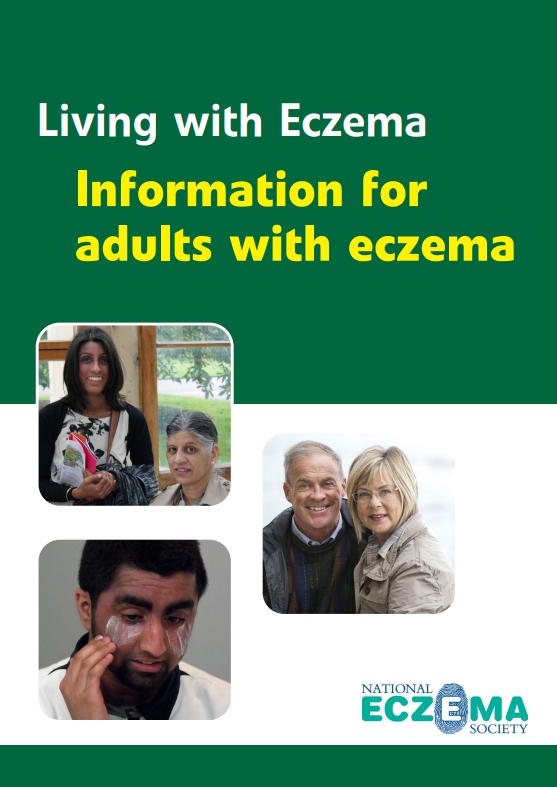
Supportive, practical information for adults managing eczema, based on the latest research and regularly reviewed by doctors and nurses.
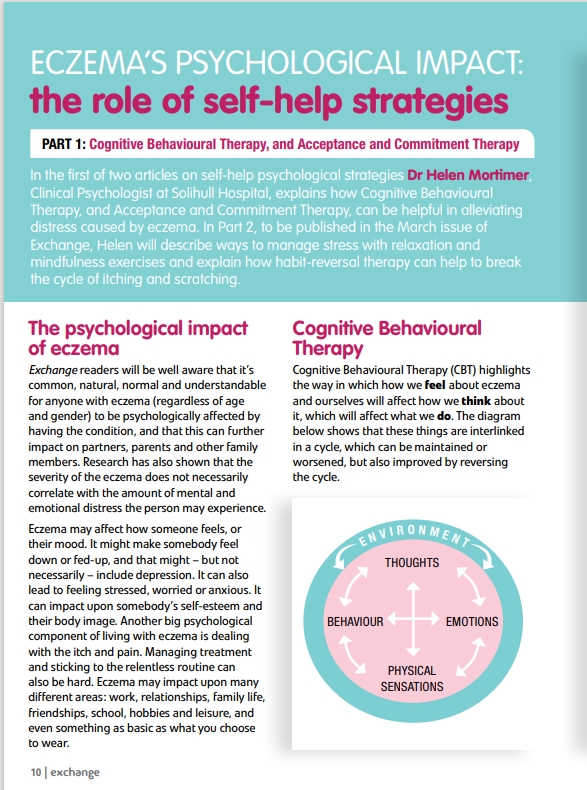
Dr Helen Mortimer, Clinical Psychologist at Solihull Hospital, explains how Cognitive Behavioural Therapy, and Acceptance and Commitment Therapy, can be helpful in alleviating distress caused by eczema
Dr Helen Mortimer, Clinical Psychologist at Solihull Hospital, explains how relaxation and mindfulness exercises can help to relieve stress associated with eczema and how techniques such as habit reversal can help to break the itch–scratch cycle.
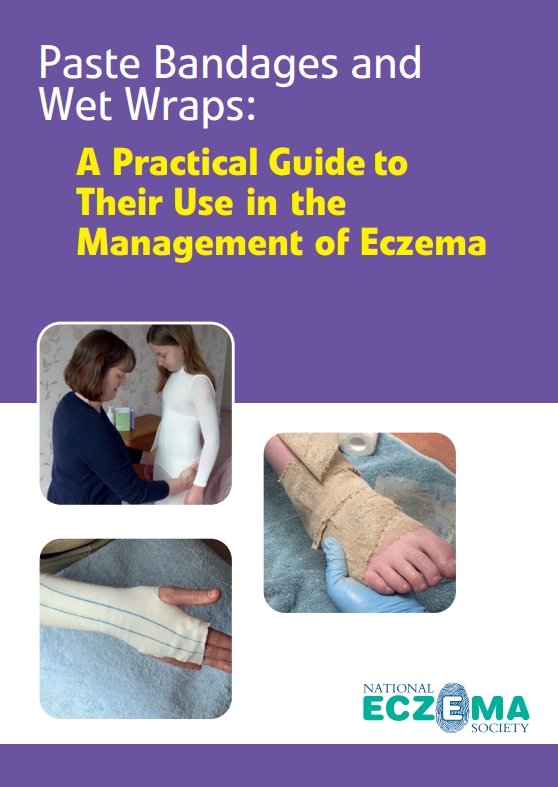
This booklet explains how paste bandages and wet wraps may be useful additions in eczema management for you or your child.