
Swimming and eczema
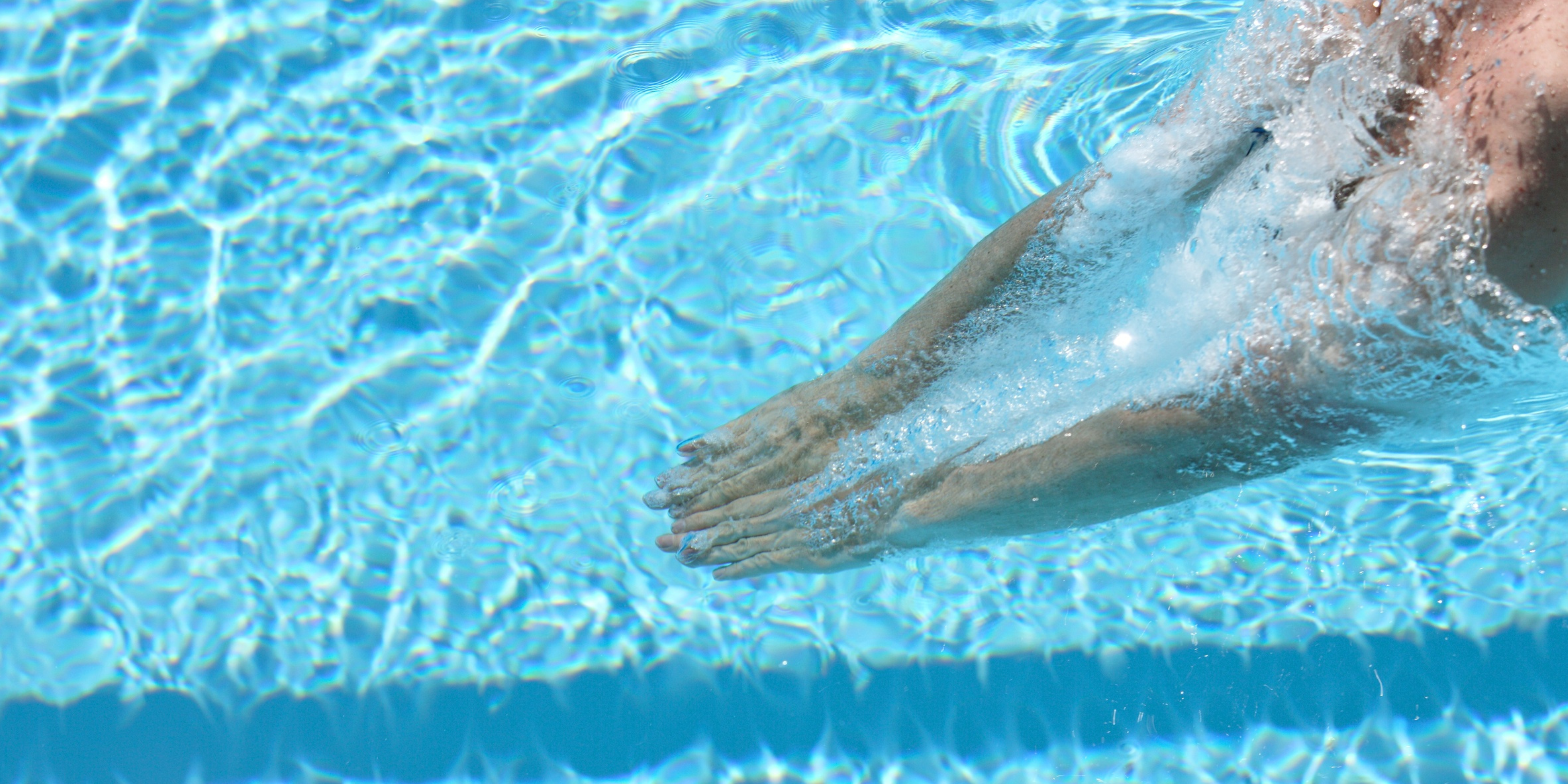
Swimming skills are fundamental to safety in and around water. Swimming is also a fantastic low impact form of exercise for people of all ages, and an enjoyable family activity. In addition to being a very important life skill, swimming is a reasonably skin-friendly form of exercise as it doesn’t involve getting too hot and sweaty (and therefore itchy).
All swimming pools need to maintain pool water in a safe and hygienic state, balanced within an ideal pH range. This is achieved in the UK with the addition of chlorine, a powerful disinfectant, and various other chemicals. Swimming pool water can irritate the skin of some people with eczema, depending on the mix of chemicals used by an individual pool.
How does swimming pool water affect eczema?
Many different environmental irritants can trigger eczema, and swimming pool water is no exception. However, not everyone with eczema will experience the same degree of irritation or even any irritation at all, as eczema is a very individual condition.
Dryness of the skin after swimming is likely to occur if the pH of the pool water is raised (pH above neutral can cause dry skin, as can calcium build-up). Chlorine can also cause dryness, but since it’s a bleach and some research studies have recommended diluted bleach as a way of reducing bacteria on eczematous skin, its effects are not necessarily all bad – it may even be helpful for some people with eczema.
Some people with eczema may experience irritant contact dermatitis. This can be due to the skin reacting to chlorine or to any of the other chemicals added to sanitise or alter the chemical balance of the swimming pool water. If you think this is what you are experiencing, it may be worth changing where you swim, as different pools may use different chemical treatment systems.
How can I avoid swimming-related skin problems?
Avoid swimming if the eczema is flaring badly or infected.
If swimming indoors, apply your usual emollient cream or, better still, an emollient ointment, before entering the pool (i.e. after using the toilet and showering). It is a good idea to put on more cream than you usually would, so that it acts as an effective barrier to the water. If you’re learning to swim or are not a strong swimmer, be aware that applying emollient shortly before swimming can make a lifeguard rescue difficult, as your limbs may be slippery. In this case, rather than applying emollient beforehand, it is safer to simply shower thoroughly after your swim and apply plenty of emollient after patting yourself dry with a towel, to calm down any surface irritation.
If swimming outdoors, remember that the sun reflects on water and therefore waterproof sun protection will be required. Most people with eczema do best with sunscreens that contain titanium dioxide and/or zinc oxide, which sit on the skin rather than being absorbed. First, go to the toilet and shower; then apply emollient about half an hour before applying sunscreen – this will prevent the sunscreen becoming diluted by the emollient and ensure that it keeps its reflective properties and protects your skin. Try not to overdo your emollient when outdoors as it may produce a ‘frying’ effect in the sun if it hasn’t been properly absorbed.
As soon as possible after your swim, shower off using your usual emollient wash/oil/gel. Then apply more leave-on cream than usual. If the pool showers use chlorinated pool water, it is best to go home and take a shower/bath as soon as you get there.
Children who are self-conscious about their eczema may prefer to wear UV-protection swimsuits/clothing. These may do the trick in covering elbows and the backs of knees; however, you do have to look hard to find ones with longer sleeves/trousers.
If swimming pool water is an irritant, consider going to another pool where different chemicals may be used. Alternatively, try to find a saltwater pool, or swim in fresh or seawater (especially in the summer months).
Try to find out when chlorine is added to the swimming pool and avoid swimming immediately afterwards – the higher the chlorine level, the greater the risk of irritation.
When trying out a new pool, spend just a short time in the water and see how it goes.
Remember that even when you get out of the water, your skin is still exposed to chlorinated fumes around the poolside, so don’t hang about unnecessarily.
FAQs
Useful resources
Our booklets and factsheets are based on the latest research and clinical guidelines, and are regularly reviewed by doctors and nurses