Scalp Eczema
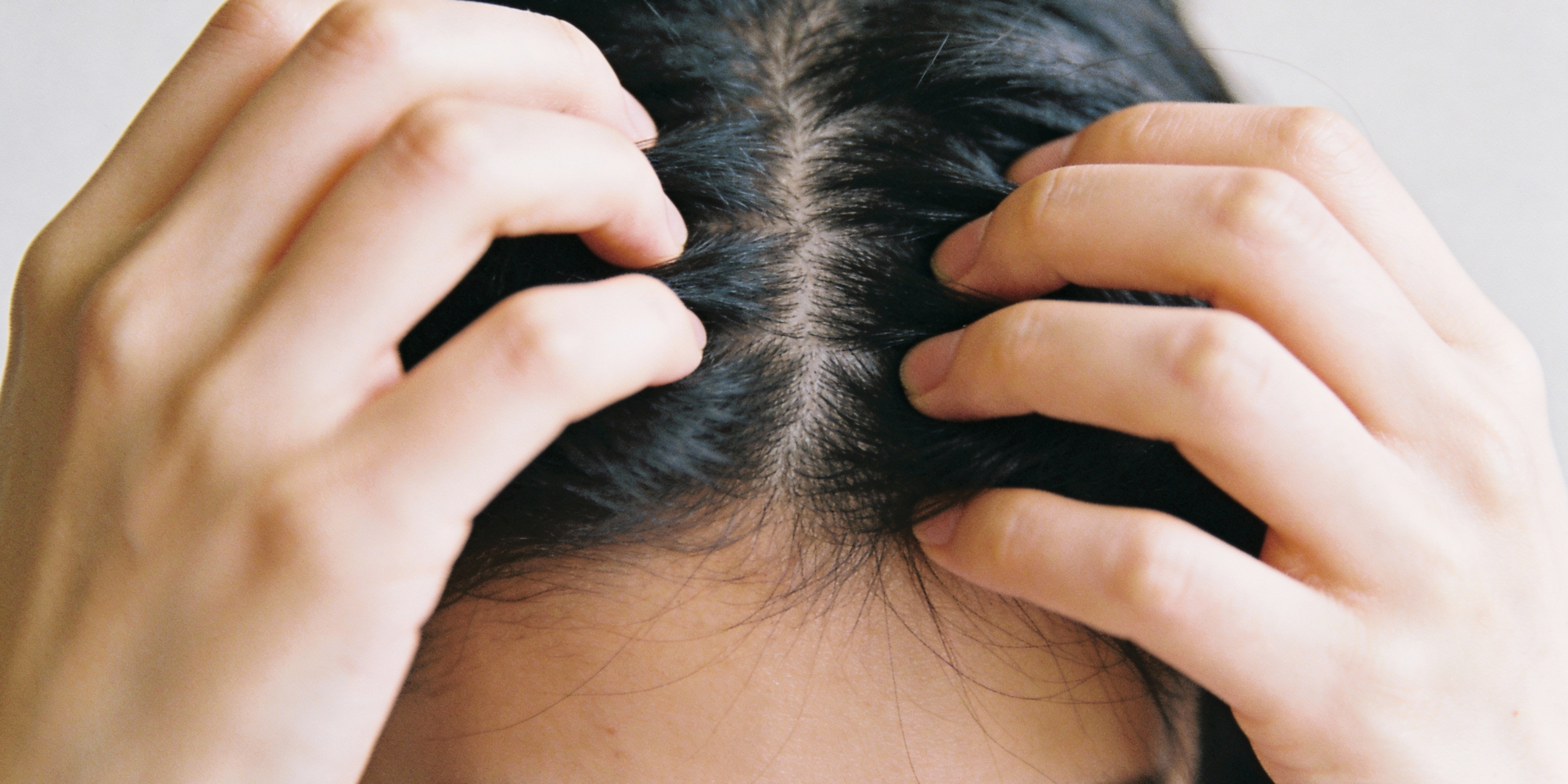
The scalp can be affected by several different types of eczema, including seborrhoeic dermatitis, atopic eczema, allergic contact dermatitis and irritant contact dermatitis.
Aside from eczema, there are a number of other conditions that can cause the scalp to become dry and itchy (for example, psoriasis, fungal infection, ringworm and head lice). It’s important to get a firm diagnosis if there is any uncertainty.
Symptoms
Dry, itchy, scaly and inflamed skin
On lighter skin tones, scalp eczema will appear red
On darker skin tones, it will show lighter or darker in colour than the surrounding skin
When scalp eczema flares, it may be weepy and painful
There may be dandruff, which can vary in severity
A rash may also appear on other parts of the face, such as around the eyebrows, eyelids and sides of the nose
Types of eczema that affect the scalp
If you aren’t sure what types of eczema you have, here are all of the types of eczema that commonly affect the scalp.
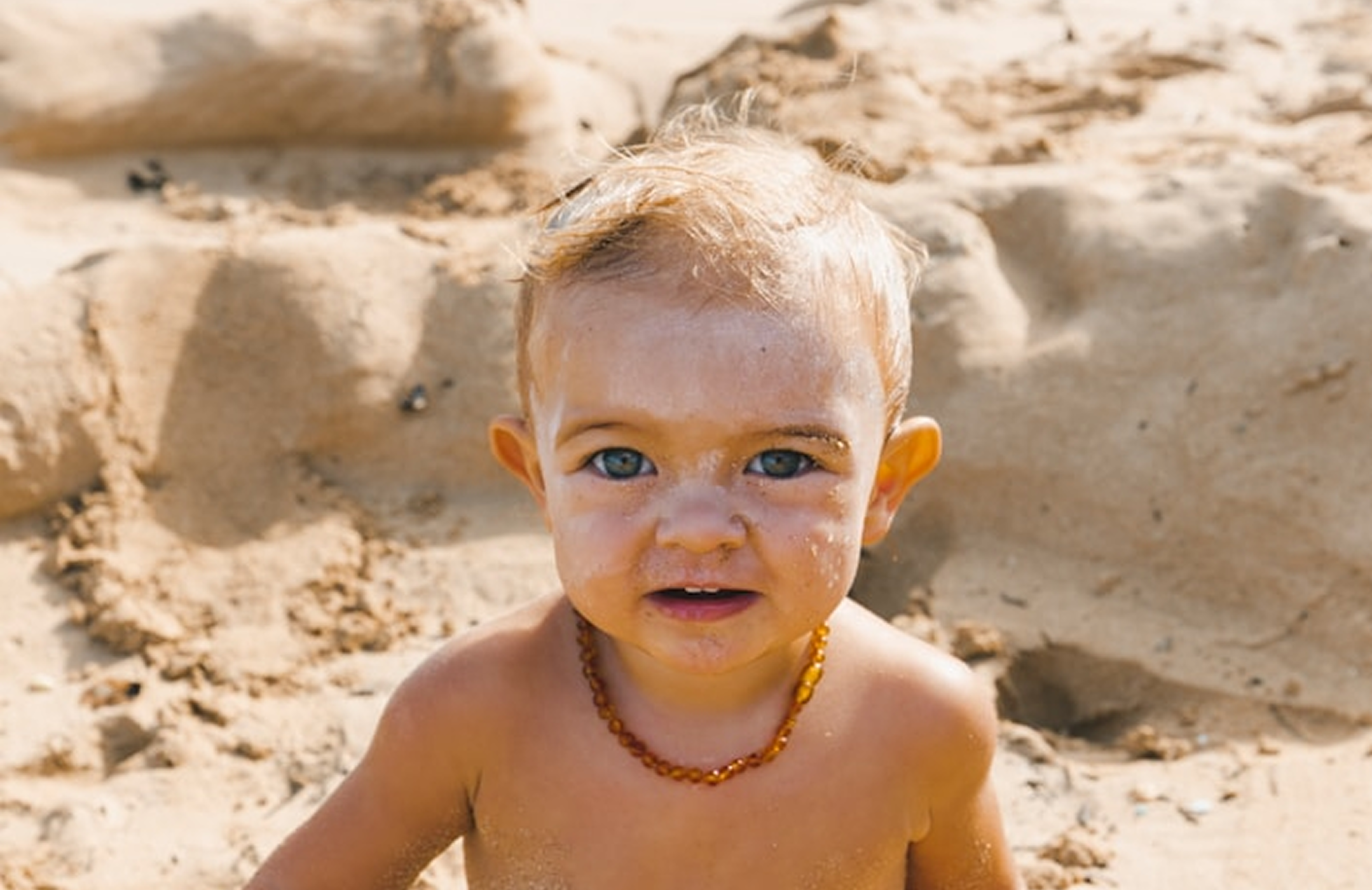
Seborrhoeic dermatitis - This is one of the most common types of eczema seen on the scalp and hairline. It can affect babies in the form of cradle cap, as well as children and adults. In people with lighter skin tones, the skin appears scaly and red. In people of colour, affected areas may be scaly and lighter in colour than the surrounding skin and may have no redness. There is often dandruff as well, which can vary in severity. There may also be a rash on other parts of the face, such as around the eyebrows, eyelids and sides of the nose. Seborrhoeic dermatitis can become infected.
Atopic eczema is another common type of eczema that can affect the scalp at any age. The skin is dry, itchy and inflamed, and can easily become infected, especially if scratched and when there is broken skin.
Allergic contact dermatitis occurs when the immune system in the skin overreacts to a chemical that has, until this point, not caused any reaction.
Irritant contact dermatitis is a type of eczema that occurs when the skin’s surface is irritated by a substance that causes the skin to become dry, itchy and inflamed (not an allergic reaction).
Treatments
Emollients - Medical emollients can be applied to the scalp by parting the hair and massaging them into the skin. Ointment-based emollients are not suitable as they are grease-based and difficult to wash out. Emollients in lotion, gel and spray-on oil forms; for example, E45 lotion, Doublebase gel or the spray-on oil, Emollin, may be suitable.
Oils - Coconut oil can also be applied to the scalp. This can also be bought in pharmacies like emollient creams. It comes as a solid form that melts at skin temperature. Olive oil is no longer recommended as it has been found to damage the skin barrier.
Salicylic acid and tar - If the scalp is very scaly, a salicylic acid and tar preparation (for example, Cocois or Sebco) can be applied in the same way and left in place for at least 4 hours, but an overnight application is more effective. These scalp treatments are messy, so make sure you use a couple of old pillowcases to absorb the excess! In the morning, simply shampoo out the treatment.
Topical steroids - Topical steroids designed for use on the scalp can be prescribed. Lotion, mousse or gel preparations may be the most comfortable options for the scalp – for example, Elocon lotion, Bettamousse or Synalar gel. For young children, a mild topical steroid cream, such as 1% hydrocortisone, may be prescribed for a short treatment burst. For older children, a moderate topical steroid, such as Eumovate, may be prescribed.
Triggers
Hair products – Try to avoid shampoos and other hair products (such as gels, sprays, hair dyes and perm solutions) that are fragranced, as these may cause irritation and possibly allergy.
Hair extensions – the glue in hair extensions can irritate the scalp, so they are best avoided
Headgear - Swimming caps and hair nets, especially those containing rubber along with hair clips which may contain rubber or nickel
FAQs
Read the FAQ’s below for advice on washing hair and recommendations for shampoos.
Supportive, practical information for adults managing eczema, based on the latest research and regularly reviewed by doctors and nurses.
Read our advice around how to care for your hair and scalp with eczema.